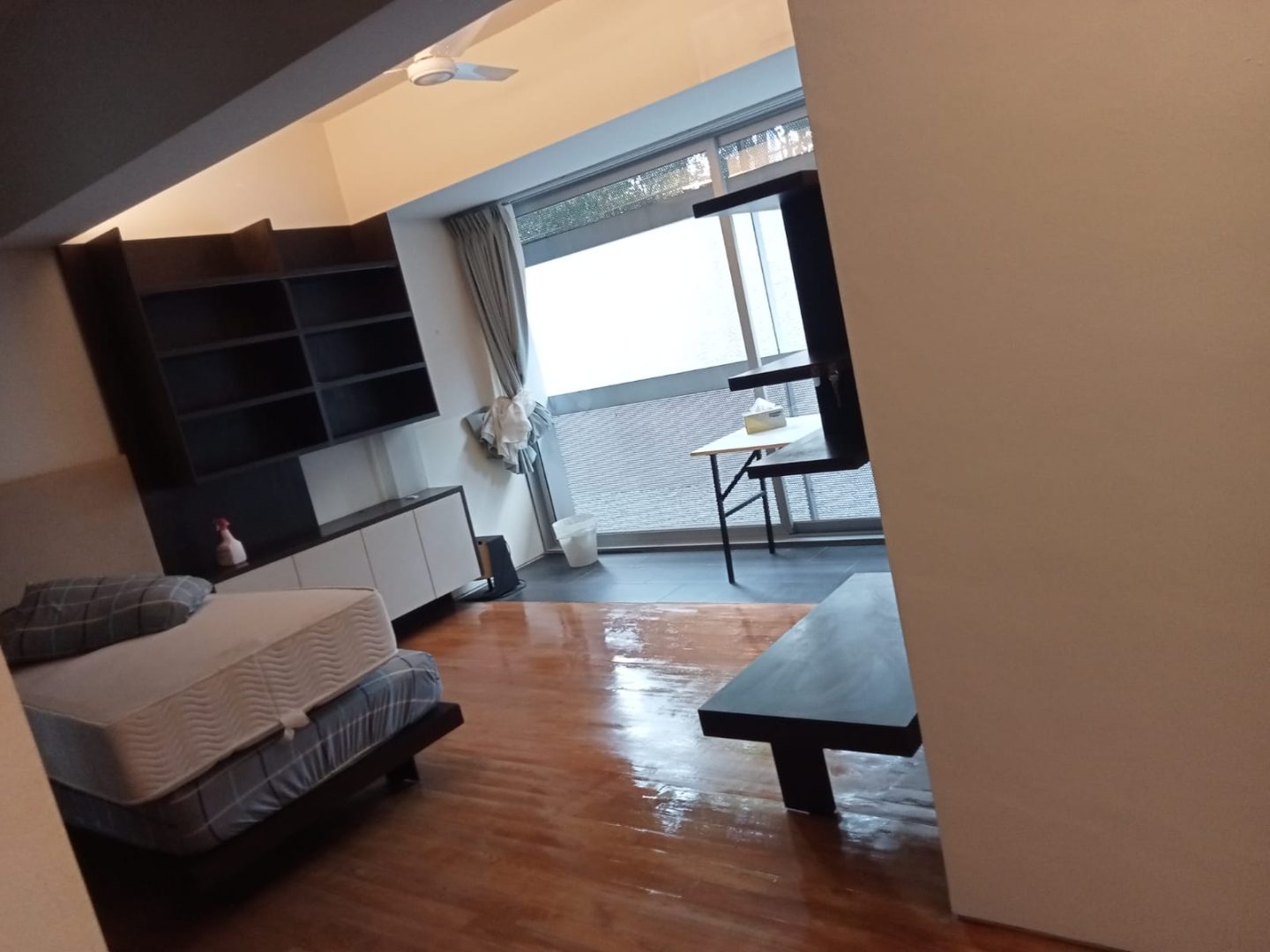
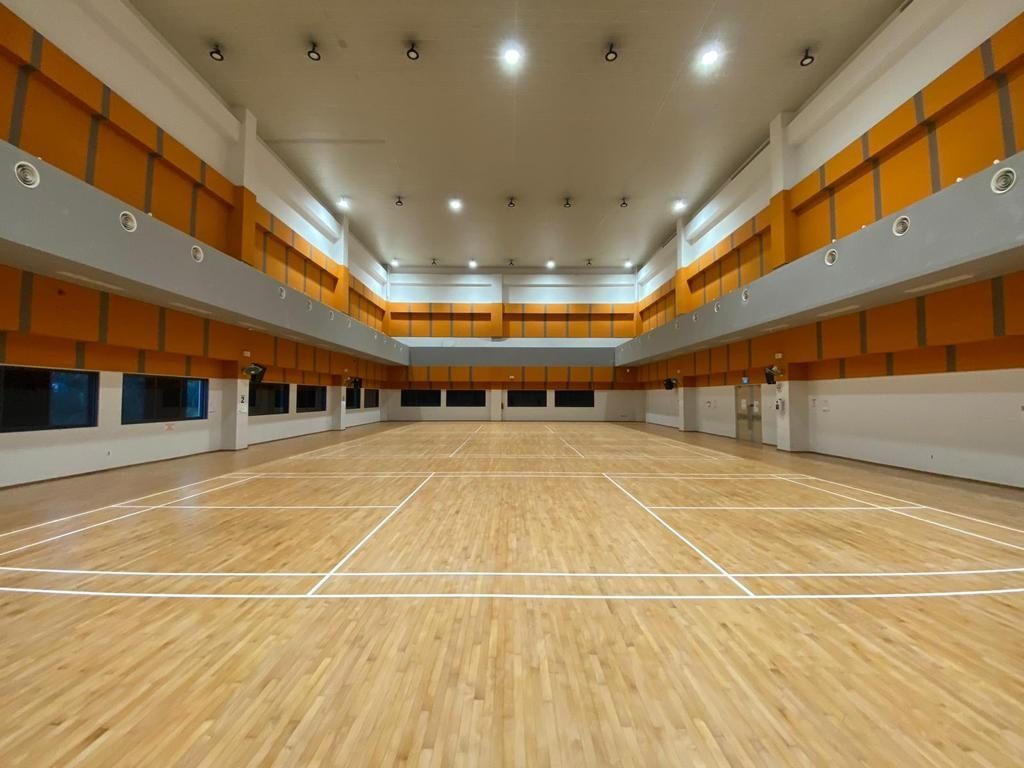
Loose or missing blocks
We check whether affected blocks can be refixed, replaced or blended with close matching parquet.

We assess loose parquet blocks, open gaps, scratches, water stains and worn coating before recommending patch repair, sanding, gap filling or full restoration.
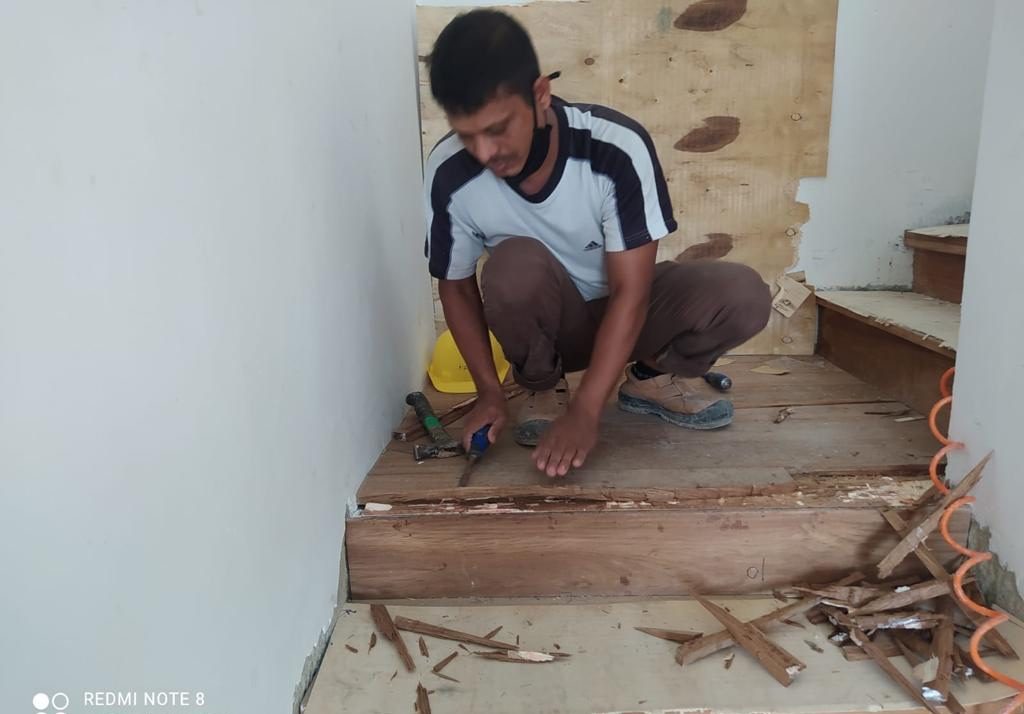
We check whether affected blocks can be refixed, replaced or blended with close matching parquet.
Swollen, darkened or hollow-sounding parquet may need local replacement before sanding and finishing.
Old coating, scratches and dull areas can often be improved through sanding and a suitable varnish system.
If 70–80% of the parquet blocks are sound, repair and restoration is usually the practical choice. When more than a third of the floor is loose, swollen or rotten, full removal and re-laying often gives a better long-term result. Deep stains such as urine, ink or oil that have soaked through the wood may need block replacement rather than sanding.
Repair cost depends on the percentage of blocks that need replacement and the floor area. We give an itemised quotation, so the block-replacement scope, gap-filling scope and finishing scope are shown separately. See wood floor prices and the guide to wood floor cost drivers for how the numbers are built up.
Yes. Damaged or missing blocks are lifted and replaced selectively where a matching species and size is available. The area is then gap-filled, sanded and varnished so the repair blends with the rest of the floor.
Swollen, darkened or hollow-sounding parquet usually needs local block replacement before sanding and finishing. Moisture in the screed below has to be resolved first. Restoring a parquet floor over a damp screed will fail again.
An exact match is not always possible. Where the original species is no longer available, the closest match is used and slight tonal variation should be expected. Sanding and finishing the whole area usually blends the difference well.
In most homes the original parquet is sound enough to restore, which is usually less expensive and less disruptive than full removal. If more than a third of the floor is loose, swollen or rotten, full removal and re-laying often gives a better long-term result.
Clear photos help us tell whether this is a local repair, sanding job or full replacement scope.